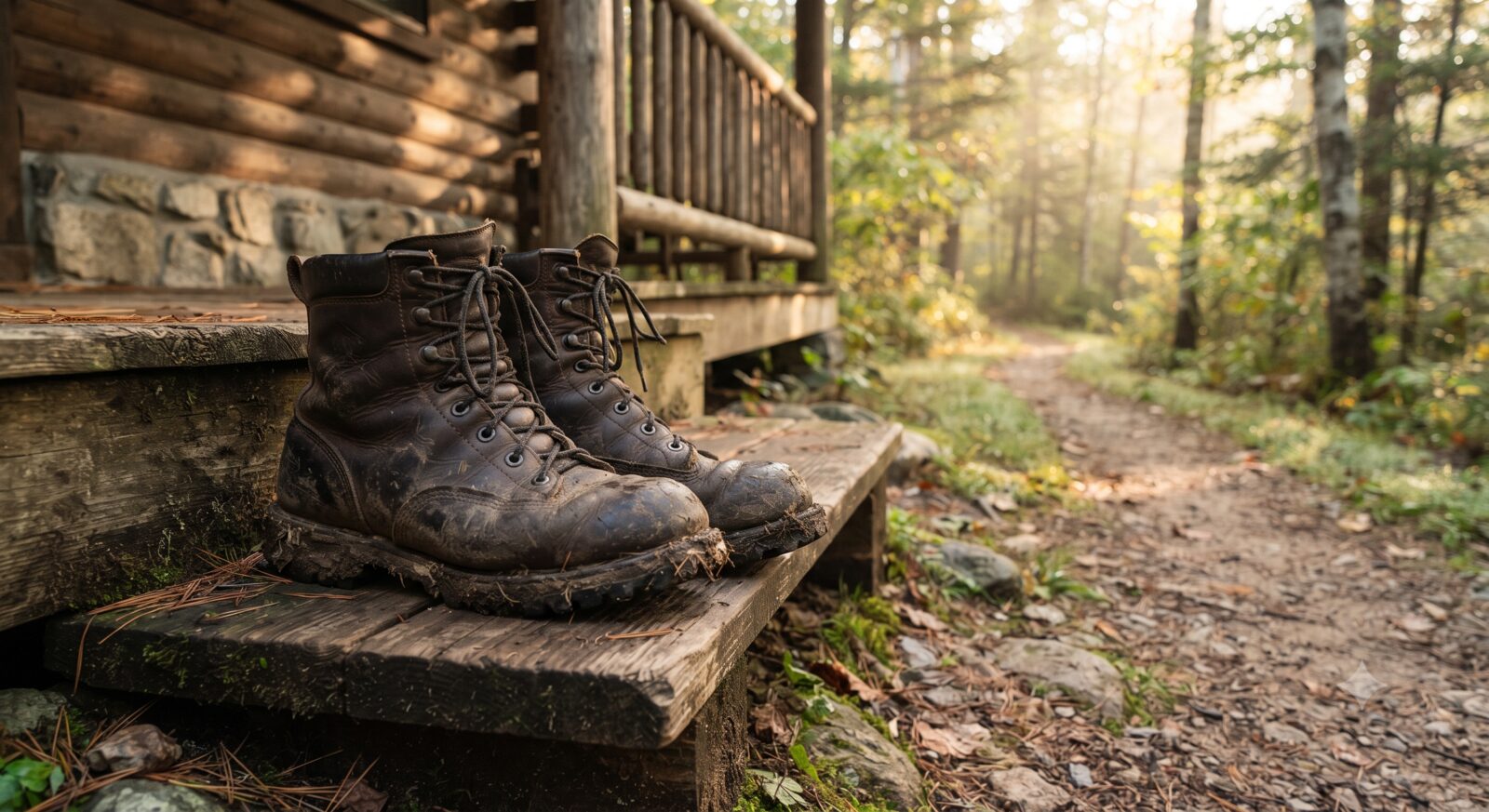
A blister three miles into opening morning is one of the most avoidable ways to ruin a hunt, and it almost always comes down to one thing: boots that never got properly broken in. Here’s what that process actually involves and how long it really takes.
Start Weeks Out, Not Days Out
There’s no single universal number, since a lightweight hiking-style boot breaks in faster than a stiff, full-leather mountain boot built for serious terrain — but a realistic planning window is a couple of months before opening day, not the week before. Rushing the process is the actual cause of most break-in injuries: pushing too many miles too fast on a foot that hasn’t adapted yet is what leads to blisters, not the boots themselves being defective.
A Realistic Mileage Target
A reasonable target across your full break-in process is at least 20 miles of real walking in the boots before you’d call them genuinely broken in — more demanding, stiffer mountain-style boots built for serious backcountry terrain can reasonably need 50 miles or more before they’re fully primed. Build up gradually: short walks around the neighborhood first, then longer hikes with a pack approximating your actual hunting load, rather than jumping straight to an all-day trek in brand-new boots.
Socks Matter As Much As the Boots Themselves
A well broken-in boot paired with the wrong sock still causes blisters, since a lot of foot discomfort is actually a moisture-management problem, not a fit problem. Technical hiking socks — wool or synthetic, not cotton — manage moisture and reduce friction in a way cheap cotton socks simply don’t, and it’s one of the highest value-per-dollar upgrades in a hunting kit precisely because the cost is low and the downside of skipping it (a cut-short hunt) is completely disproportionate — see our guide on where to actually spend more on hunting apparel for more on where this kind of spending pays off.
What to Actually Do During Break-In Walks
- Wear the actual socks you’ll hunt in. Breaking in boots with thin dress socks and then switching to thick wool socks on opening day changes the fit enough to undo the work.
- Walk on varied terrain, not just flat pavement. Hills and uneven ground flex the boot differently than a flat sidewalk, and that’s exactly the flex pattern you’ll need on an actual hunt.
- Check your feet after each walk. A hot spot that shows up consistently in the same place is a sign of a real fit issue worth addressing (different lacing, a insole swap) before it becomes a blister on a real hunt.
When a Boot Just Doesn’t Fit, No Amount of Breaking In Helps
It’s worth being honest about the limits of break-in: a boot that’s genuinely the wrong size or shape for your foot won’t become comfortable no matter how many miles you put on it — persistent pain in the same spot after a reasonable break-in effort is a sizing or model problem, not something more time will fix. If that happens, the honest answer is a different boot or a different width, not pushing through discomfort on the assumption it’ll eventually work itself out.
How many miles does it actually take to break in hunting boots?
A reasonable target is at least 20 miles of real walking for most boots, with stiffer mountain-style boots reasonably needing 50 miles or more before they’re fully broken in.
Do socks really matter that much for boot break-in?
Yes — a lot of foot discomfort is actually a moisture-management problem rather than a fit problem. Technical wool or synthetic socks manage that differently than cotton, and breaking in boots with different socks than you’ll actually hunt in can undo the work.
If a boot still hurts after breaking it in, what does that mean?
Persistent pain in the same spot after a reasonable break-in effort usually points to a genuine sizing or model mismatch, not something more time will fix. At that point, a different boot or width is the honest answer.