This page contains affiliate links. If you make a purchase through one, we may earn a commission at no extra cost to you.
In a perfect world, you’d own a different camo pattern for every terrain and season you hunt. In practice, nobody’s budget or closet works that way — here’s the realistic number, and how to prioritize if you’re building a kit from scratch.
The Honest Answer: Two or Three Covers Most Hunters
Most hunters don’t need a different pattern for every terrain and light condition they’ll ever encounter. Modern camo patterns are designed with enough visual complexity to work across a range of backgrounds, not matched precisely to one exact shade of foliage. For most hunters, two to three well-chosen patterns — covering your primary terrain types and the biggest seasonal shift you actually hunt through — covers the real-world need without buying a pattern for every possible scenario.
What Actually Determines the Number
The real question isn’t how many terrains exist where you hunt — it’s how different they actually look from each other. Someone who hunts exclusively dense timber all season has less need for multiple patterns than someone who splits time between open field early season and heavy brush late season, where the visual background changes dramatically. Be honest about how much your actual hunting locations vary before assuming you need a large pattern collection.
Prioritizing If You’re Starting From Scratch
- Your primary terrain and season first. Buy the pattern that matches where and when you actually hunt most, not the one that looks best in marketing photos.
- Your second-most-common situation next. If you have one clearly secondary terrain or season, that’s worth a second pattern before anything else.
- Everything else waits. A third or fourth pattern for occasional situations is a reasonable future purchase, not a starting-kit requirement.
A Quick Test for Whether a Second Pattern Is Actually Necessary
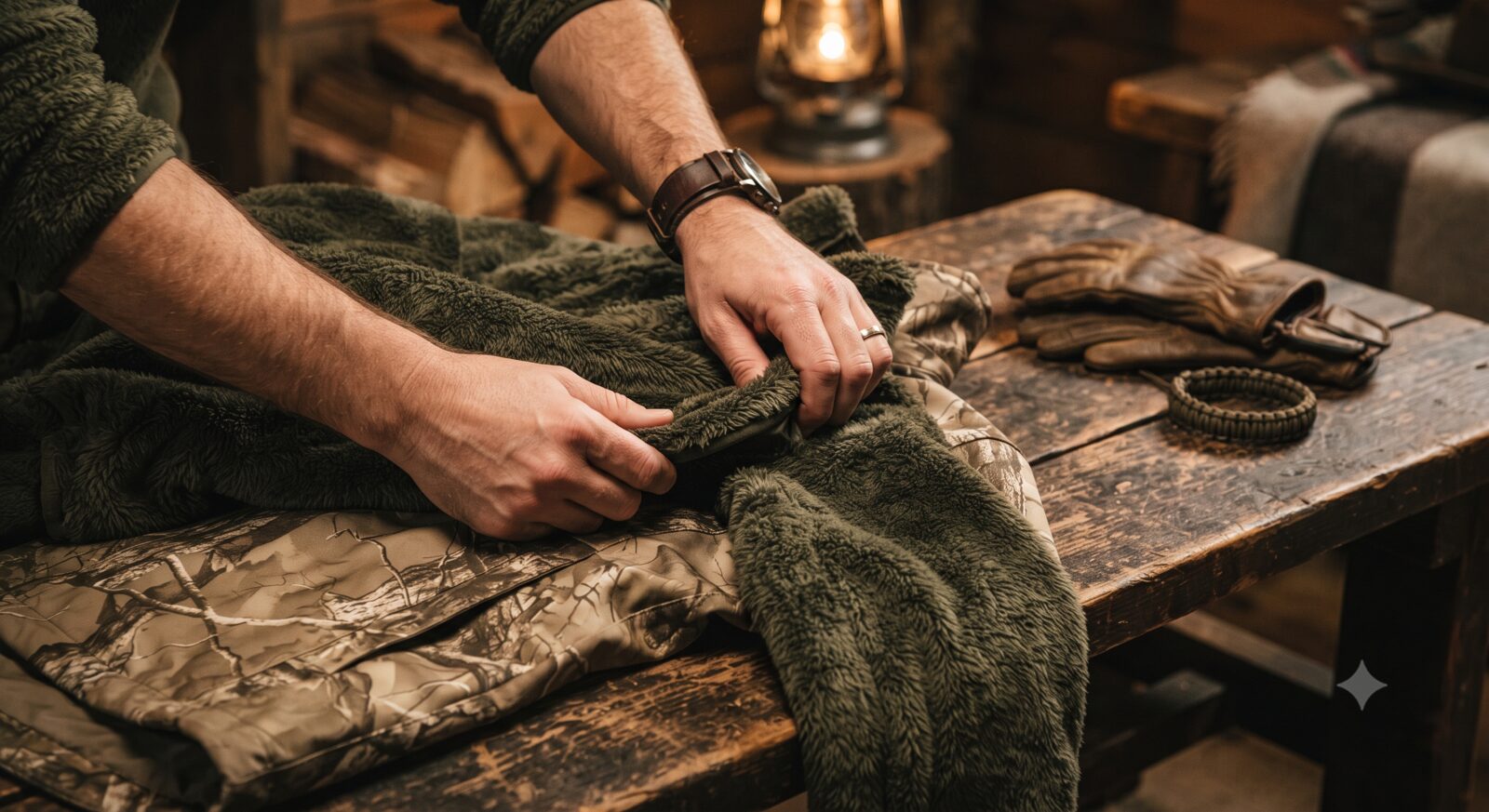
Before buying a second or third pattern, a genuinely useful gut check: pull up photos of your primary hunting spots across the seasons you actually hunt, side by side. If they look meaningfully different — open and light-colored versus dense and dark, for instance — a second pattern earns its cost. If the photos look more similar than different, that’s a real sign your existing pattern is probably doing the job better than you’re giving it credit for, and the money is better spent elsewhere in your kit. King’s Camo’s pattern lineup is worth comparing directly against your own terrain photos before assuming you need to expand beyond what you already own.
Concealment Pattern Matters More Than Exact Color Match
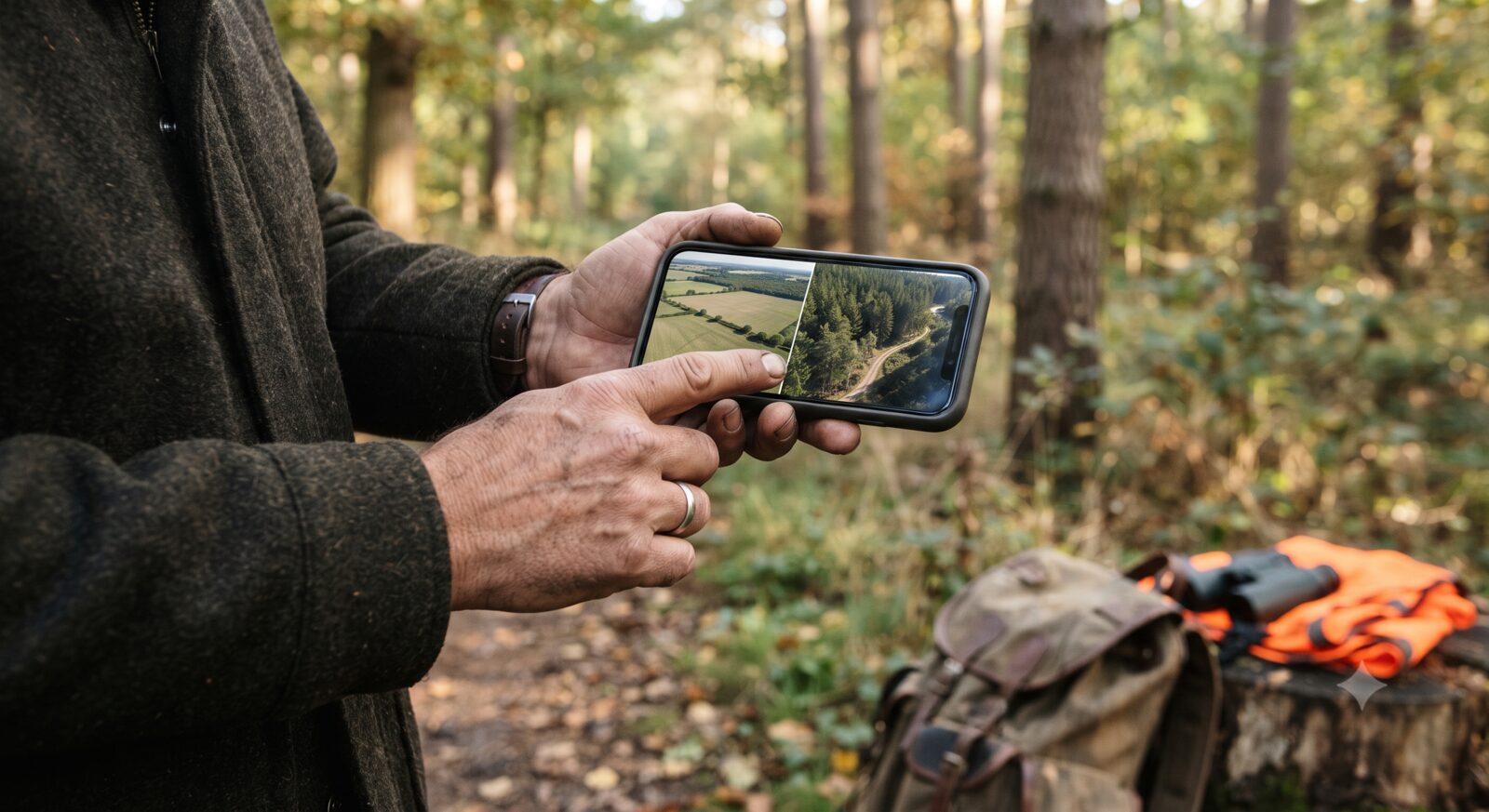
It’s worth internalizing this specifically, since it’s the reasoning behind why fewer patterns can genuinely cover more situations: a pattern’s job is to break up your outline and blend in a general way, not to match the exact hue of the leaves on any given day. A well-designed pattern in a slightly-off color still does its job far better than an exact color match with a poor concealment design. This is why one good pattern can reasonably cover a wider range of days and light conditions than people assume when they’re first building a kit. Check King’s Camo’s current patterns with this in mind if you’re deciding what to buy first.
For the terrain and season side of this decision, see our guide on choosing the right camo pattern for your terrain and season.
Frequently Asked Questions
Do I need a different camo pattern for every state I hunt in?
Not necessarily — what matters is the terrain and vegetation, not the state line itself. Two states with similar terrain types don’t require separate patterns just because they’re different states.
Is it worth buying a snow camo pattern for occasional late-season hunts?
Only if those hunts are frequent enough to justify it. For an occasional late-season hunt in snow, some hunters use a light outer layer over their existing pattern instead of buying a dedicated snow camo set — worth considering before committing to a full additional pattern.
Should beginners buy multiple patterns right away?
No — start with one pattern matched to your primary hunting situation, and add a second only once you’ve actually identified a real, recurring gap. Buying multiple patterns before you’ve hunted enough to know your actual needs usually means guessing wrong on at least one of them.