This page contains affiliate links. If you make a purchase through one, we may earn a commission at no extra cost to you.
Not every piece of hunting apparel deserves the same budget. Some gear is worth paying up for because failure has real consequences; other gear is functionally the same whether you spend the least or most on it. Knowing which is which saves real money without actually costing you performance in the field. King’s Camo’s XKG line is one real example of the mid-tier value proposition covered below — premium-grade fabric without the top-tier brand markup.
Where to Actually Spend More
Base layers. This is the layer touching your skin for the entire hunt, and it’s doing the most technical job in the whole system — moving sweat away before it cools you down. A genuinely good moisture-wicking or merino base layer is worth the premium; a cheap poly-blend base layer that doesn’t actually wick well undermines everything you layer on top of it, regardless of how much you spent on the outer shell.
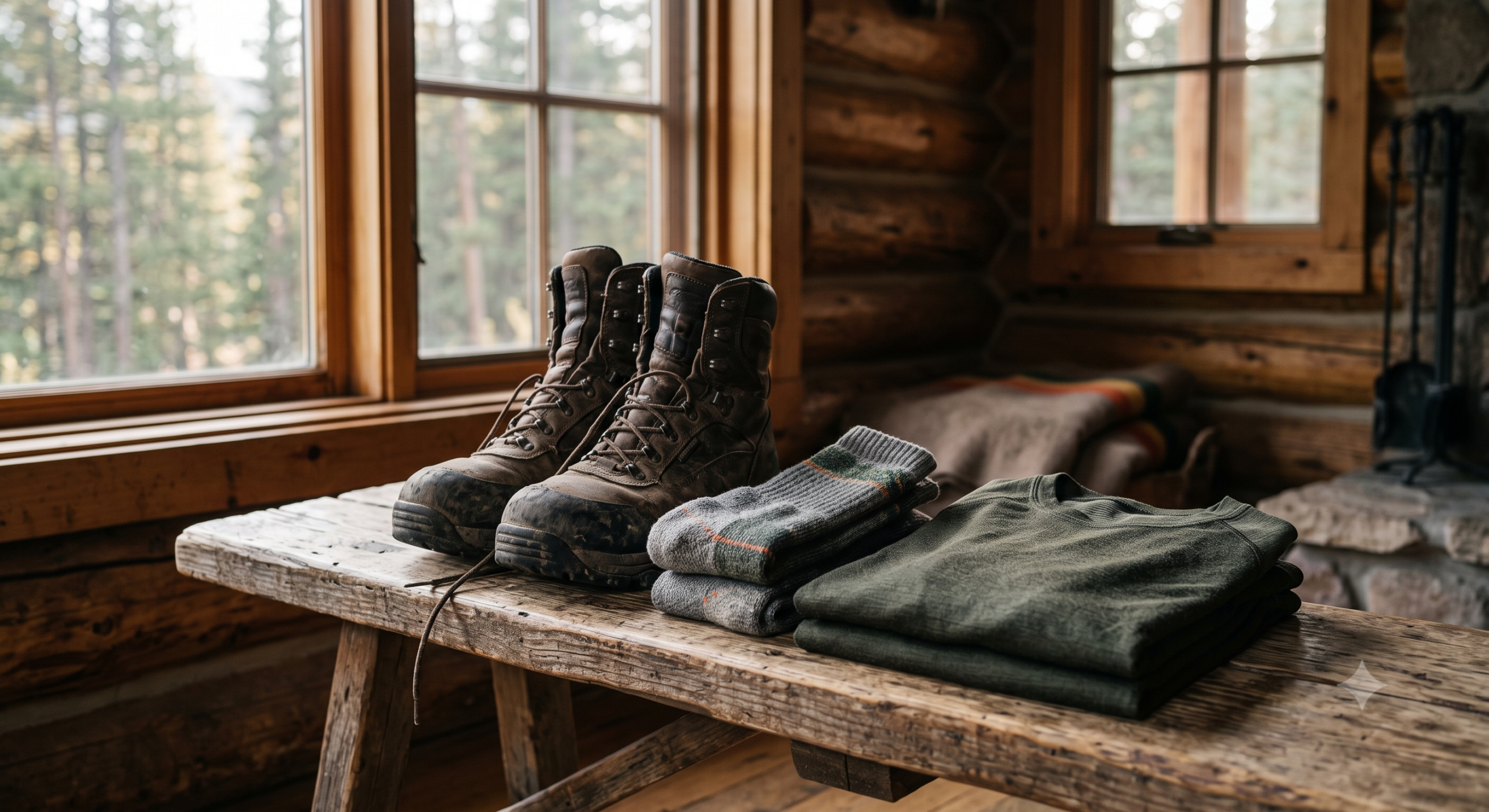
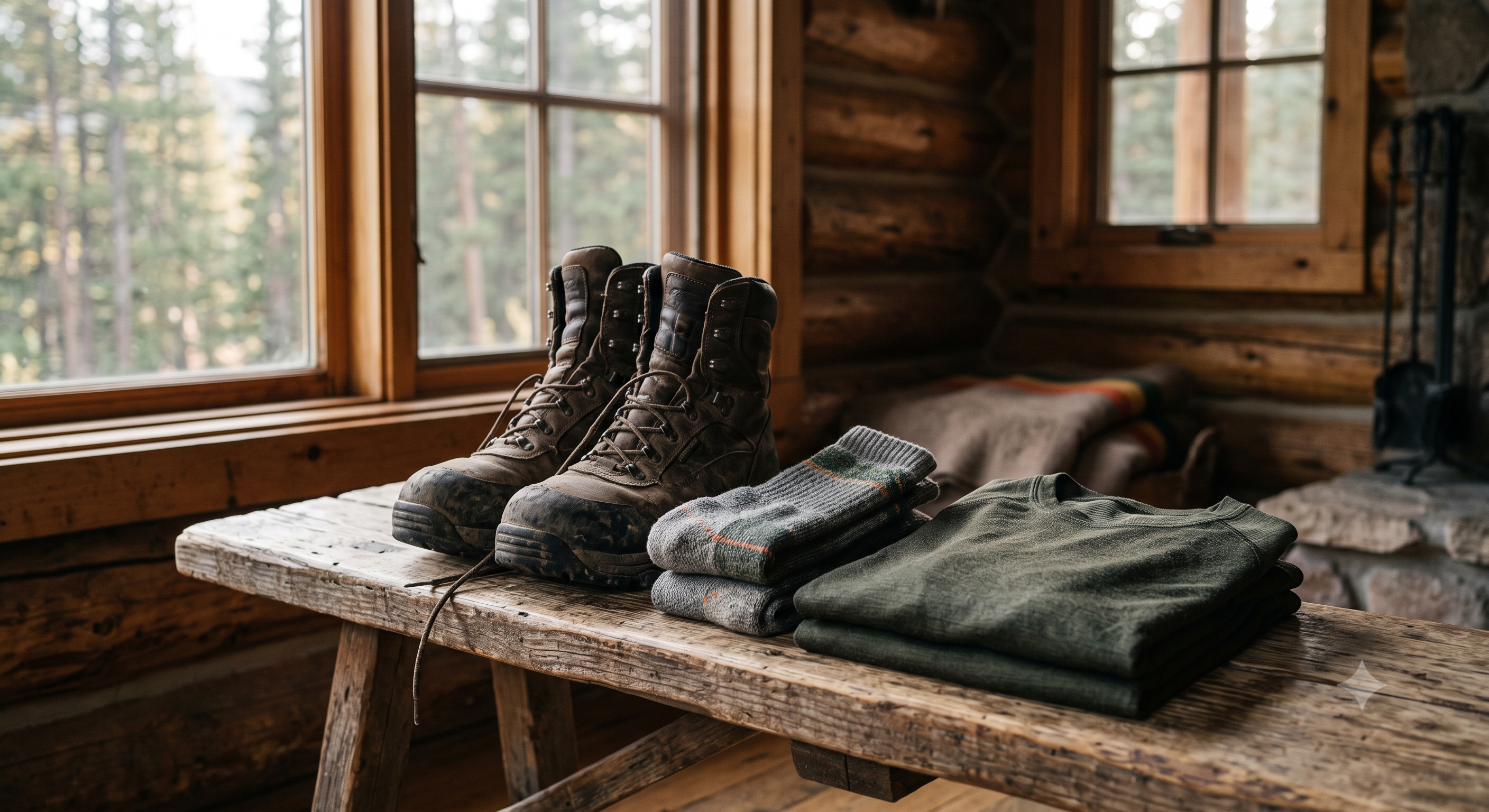
Boots. This is arguably the single highest-consequence piece of gear you own. Wet or blistered feet end a hunt faster than any other equipment failure, and cheap boots typically fail on waterproofing seams and support exactly when you need them most — miles from the truck, in bad weather. Boots are not the place to cut cost.
Rain/wind outer shells. A genuinely waterproof, genuinely breathable outer layer is doing real technical work (see our layering system breakdown for why breathability matters as much as waterproofing). Cheap “waterproof” shells often aren’t breathable, which traps sweat inside the system and defeats the point — you end up wet from the inside instead of the outside.
Where Budget Gear Is Genuinely Fine
Mid-layer fleece for mild conditions. If you’re not hunting extreme cold, a basic fleece mid layer does the same insulating job as a premium one for most of a season. Save the premium mid layer purchase for genuinely cold late-season hunts where the fabric’s warmth-to-weight ratio actually matters.
Gloves for warm-weather hunts. Early-season and warm-climate hunting doesn’t demand technical glove insulation — a basic pair is functionally identical to a premium pair when the job is just wind and light scratch protection, not serious cold.
Camo pattern accuracy for most terrain. Once a pattern reasonably matches your terrain and season (see our terrain and season pattern guide), the marginal concealment benefit of a more expensive, more “advanced” pattern is small compared to the basics of wind, movement discipline, and stand placement. Money spent chasing pattern perfection is often better spent elsewhere in the kit.
The Piece Hunters Skip Right Past: Socks
Socks get treated as an afterthought next to the boots themselves, which is a mistake — a good boot paired with a thin cotton sock still gets you blisters and cold feet, because the sock is doing real moisture-management work of its own. Merino or technical synthetic hiking socks are worth the premium here specifically because they’re cheap in absolute terms even at the pricier end of the category, while the failure mode of getting this wrong (blisters, cold feet, a cut-short hunt) is completely disproportionate to that cost. This is one of the highest value-per-dollar upgrades in the entire kit, and it’s the one most hunters spend the least time thinking about.
Accessories: Mostly Low-Stakes, With One Exception
Hats, gaiters, and neck gear are low-consequence if they underperform — a budget beanie that’s slightly less warm just means you notice the cold a bit sooner, not a ruined hunt. The one accessory worth treating differently is anything covering your hands in genuinely cold conditions: numb hands affect grip, trigger control, and fine motor tasks in a way that’s a real safety and performance issue, not just a comfort one. Everywhere else in the accessory category, spend based on personal preference rather than assuming premium automatically means meaningfully better performance.
The Real Math: Prioritize, Don’t Maximize Everywhere
The mistake most hunters make isn’t buying budget gear — it’s buying budget gear evenly across every category instead of concentrating spend where it actually matters. A hunter with premium boots and a genuinely wicking base layer, paired with a budget mid layer and mid-tier camo, is better equipped than one with an expensive jacket and cheap boots. King’s Camo’s XKG line is a useful example of this logic applied at the brand level — see our full XKG review for where that line matches premium competitors and where it doesn’t — but the same prioritization principle applies regardless of which brands you’re mixing and matching.
Check King’s Camo’s current lineup if you’re specifically trying to build a system where the base-layer and outer-shell spend goes further without cutting corners on the pieces that matter most.
For a closer look at one specific premium line and where its value actually holds up, see our King’s Camo XKG line review.
Frequently Asked Questions
What’s the single most important piece to not cheap out on?
Boots, by a wide margin. Foot failure — wet, blistered, or unsupported — ends a hunt faster and more completely than any other single gear failure.
Is expensive camo pattern actually worth it?
Past a reasonable terrain-and-season match, no — the marginal concealment gain from a pricier pattern is small compared to wind management and movement discipline, which matter more for staying undetected than pattern sophistication alone.
Can I mix budget and premium pieces in the same layering system?
Yes, and it’s usually the smarter approach. There’s no requirement to buy an entire system from one price tier — prioritizing spend on base layers, boots, and the outer shell while going budget on mid layers and accessories gets you most of the performance for meaningfully less money.
Does a more expensive mid layer matter for early-season hunts?
Generally not. Premium mid-layer warmth-to-weight advantages show up most in genuinely cold late-season conditions. For mild weather, a basic fleece does essentially the same job.