This page contains affiliate links. If you make a purchase through one, we may earn a commission at no extra cost to you.
The question worth asking about King’s Camo’s XKG line isn’t “is it as good as Sitka or First Lite” — it’s whether the fabric and construction actually hold up to the same standard those brands charge two to three times more for. Having looked at what’s actually in the line, the honest answer is: mostly yes, with a couple of real gaps worth knowing about before you buy.
Where XKG Genuinely Matches the Premium Tier
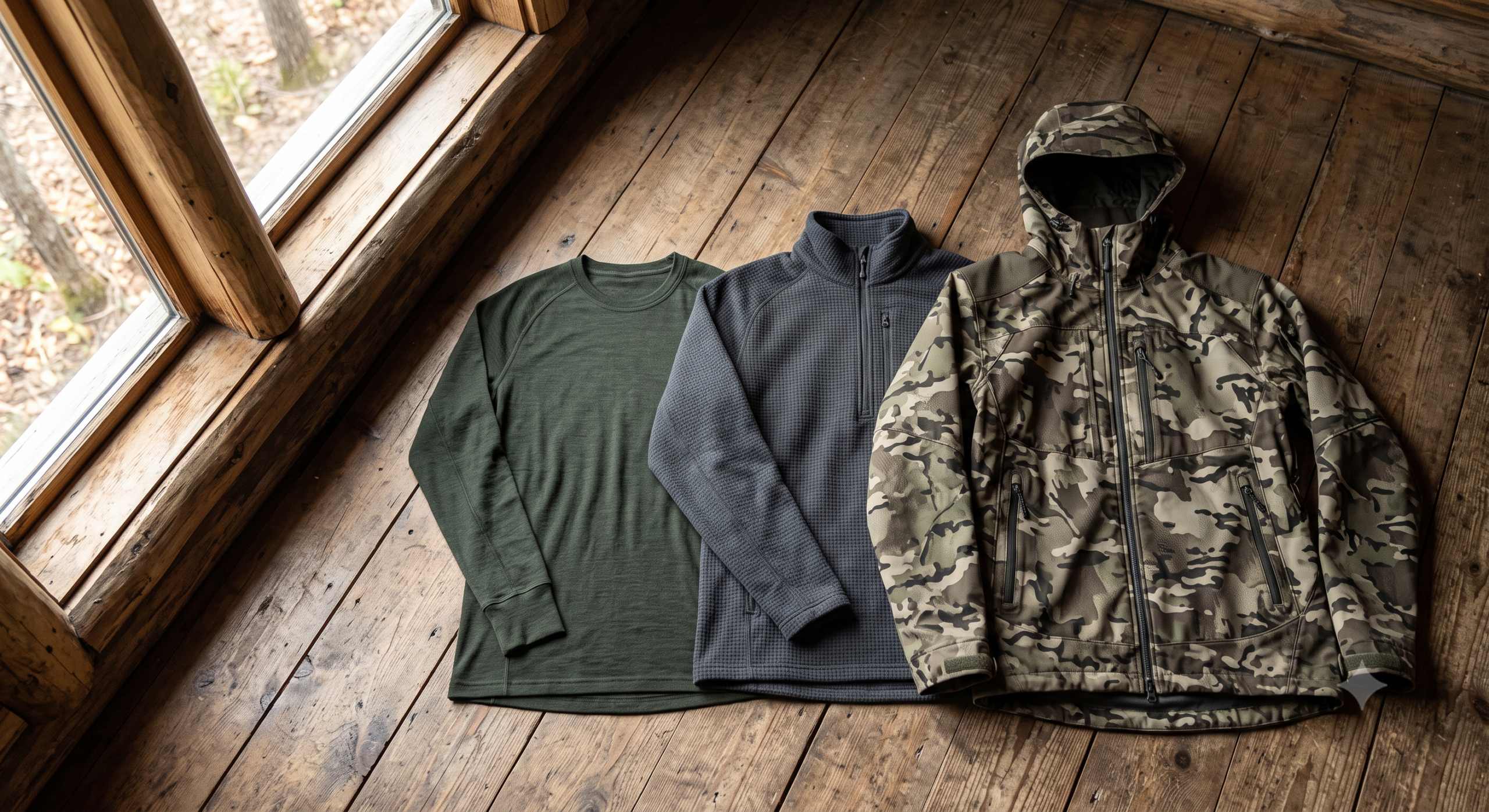
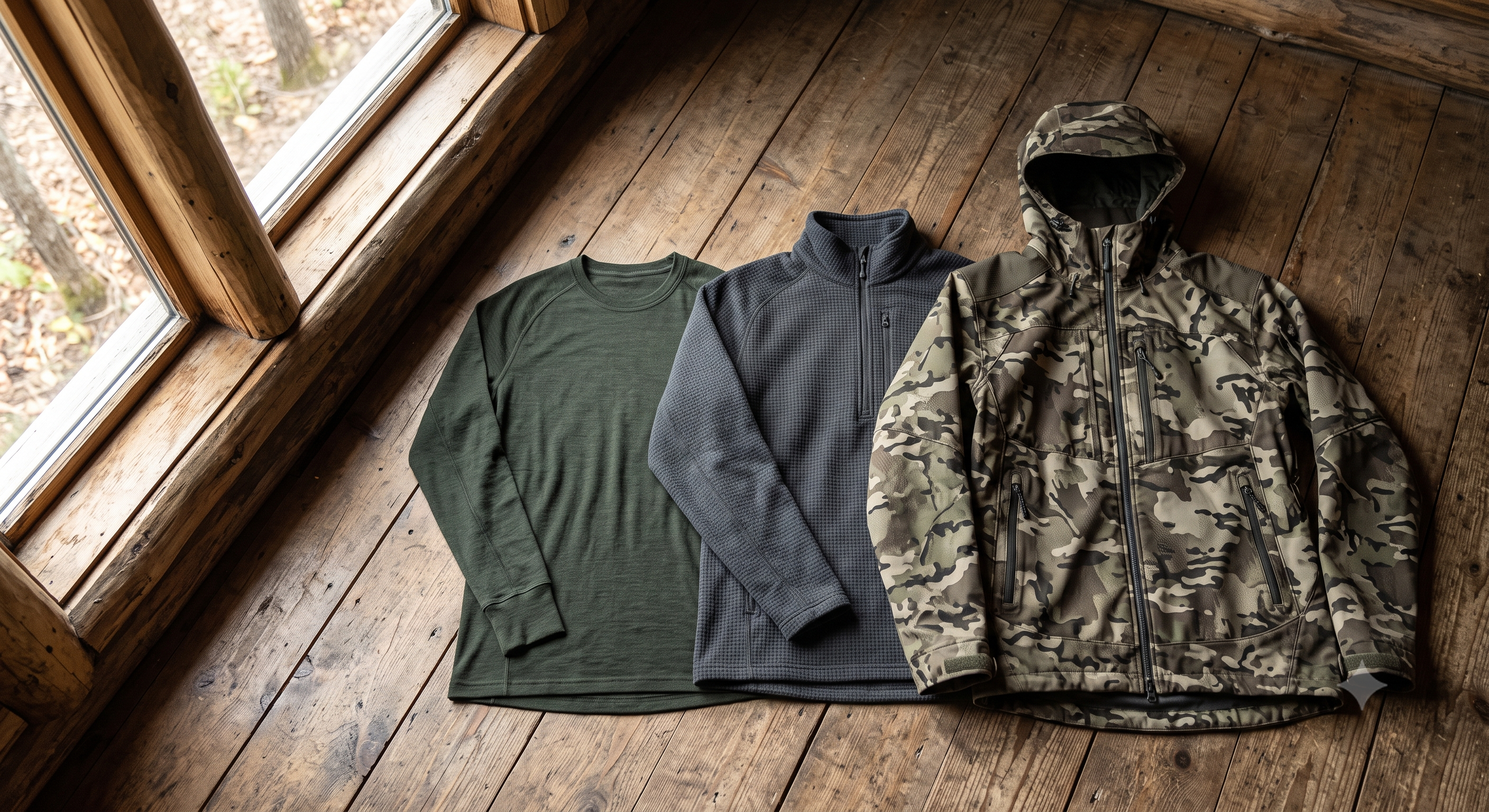
XKG is built on the same three-layer logic covered on our cold-weather layering page — dedicated base, mid, and outer pieces rather than one do-everything jacket — and the fabric performance within each layer is genuinely competitive. Moisture-wicking synthetics and merino-blend base layers, Polygiene antimicrobial treatment built into the fabric rather than sprayed on, and mid layers cut for actual mobility rather than bulk. Hunters who’ve run XKG pieces across a full season — early-season stalks in warm weather through late-season sits in the cold — report the fabric holding up at the wear points (knees, cuffs, pack straps) without the early breakdown you’d expect from a genuinely budget line.
The value gap is real and it’s the actual reason to consider XKG over the bigger names: comparable pieces run meaningfully less than First Lite or Sitka equivalents, and the line goes on sale often enough that patient buyers can build a full system for well under what a single premium jacket costs elsewhere.
Where It Doesn’t Fully Match Up
Undersold instead of oversold: not every XKG piece carries a DWR (durable water repellent) finish that comparable Sitka and First Lite jackets include standard. That matters specifically for outer-layer pieces in wet conditions — check the individual product page rather than assuming every jacket in the line handles rain the same way. It’s a real gap, not a dealbreaker, but it’s the kind of detail that should factor into which specific piece you buy rather than which line.
The other honest tradeoff is company size. Sitka and First Lite have been building out color patterns, size runs, and a resale/secondhand market for over a decade; King’s Camo’s catalog is smaller and newer, which means less pattern variety in any given piece and a thinner used-gear market if you ever want to resell. Neither of these affects how the gear performs in the field, but they’re real differences from the bigger brands worth knowing going in.
What Building a Full System Actually Costs
The value case only really shows up once you’re pricing a complete system rather than one jacket. A base layer, mid layer, and outer shell from a premium brand adds up fast before pants or accessories enter the picture — and that’s before sale pricing on any of it. The equivalent three-piece XKG stack typically lands meaningfully below that total, which is where the “crushes on value” reputation among hunters actually comes from: not that any single piece is dramatically cheaper, but that the gap compounds once you’re buying an entire system instead of one flagship jacket. For a hunter outfitting from scratch, that difference is often enough to also cover pants, gloves, and a base layer for a hunting partner.
Sizing runs true to standard men’s and women’s sizing per most hunter feedback, without the noticeably slim or noticeably oversized cut some technical hunting brands run. If you’re between sizes, sizing up slightly is the more common recommendation specifically for mid layers meant to be worn over a base layer rather than against skin.
Who XKG Actually Makes Sense For
King’s Camo’s XKG line makes the most sense for hunters building a full layering system from scratch, where the price difference across five or six pieces adds up fast, and for anyone who hunts enough days per season that gear needs to earn its cost rather than sit in a closet most of the year. It makes less sense if you specifically need guaranteed DWR performance in one outer piece and aren’t willing to check that spec model-by-model — in that narrow case, confirm the finish before buying rather than assuming.
See the current XKG lineup and check individual product specs (DWR finish, weight, Polygiene treatment) rather than assuming every piece in the line is built identically.
For how the XKG line’s price fits into your overall gear budget, see our guide on where to actually spend more on hunting apparel.
Frequently Asked Questions
Is King’s Camo XKG actually as good as Sitka or First Lite?
On core fabric performance and layering logic, it’s genuinely competitive. The real differences are catalog size, pattern variety, and inconsistent DWR coverage across the line — not field performance of the fabric itself.
Does every XKG jacket have a waterproof or water-resistant finish?
No — this varies by specific product. Some outer-layer pieces include a DWR finish and some don’t. Check the individual product listing rather than assuming line-wide consistency.
How much cheaper is XKG than premium competitors?
Comparable individual pieces typically run noticeably less than First Lite or Sitka equivalents, and sale pricing brings that gap even wider. Exact savings depend on the specific piece and current pricing, so compare current listings directly.
Is XKG durable enough for a full multi-season hunting schedule?
Hunter reports across full seasons — early-season warm-weather stalks through late-season cold sits — generally describe the fabric holding up at typical wear points without early breakdown. As with any gear line, individual piece durability varies, so check care instructions and avoid assuming zero maintenance is required.